|
| The Vessel and Hudson Yards in full golden light. 🚤 |
Hudson Yards: Manhattan’s Newest Landmark
The history of Hudson Yards dates back to the 19th century, when the area was a bustling industrial district lined with railroads and docks. To pave the way for future above-ground development, the Metropolitan Transportation Authority (MTA) constructed a rail yard on the site in 1987.
Over the years, several major proposals were floated for the land—including a new stadium for the New York Yankees, an expanded convention center, and even a marquee stadium for New York City’s 2012 Summer Olympics bid. However, due to public opposition, funding challenges, and political debate, none of these early vision plans materialized.
The tide turned in 2005 when the city rezoned the area and launched a comprehensive development plan. This strategy centered on extending the 7 Subway line, renovating the nearby Javits Center, and inviting private real estate developers to bid on the site. In 2008, Related Companies and Oxford Properties won the development rights, officially breaking ground in 2012.
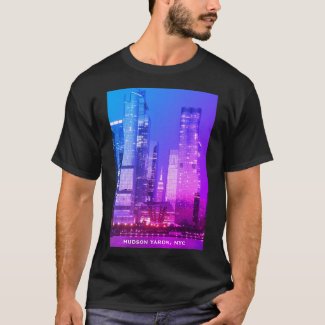
Today, Hudson Yards is a massive, multi-billion-dollar redevelopment project spanning 28 acres over the active MTA rail yard on Manhattan's West Side. Designed to expand Midtown’s business district west toward the Hudson River, the project serves as a major commercial and tourist destination.
The project is split into two main phases. The eastern portion officially opened in March 2019, featuring 16 skyscrapers, a luxury multi-level shopping mall, a public plaza, and the centerpiece spiral staircase structure known as The Vessel. Major commercial tenants include Tapestry, Equinox Fitness, and BlackRock. The western portion represents the second phase of development, planned to bring additional residential towers, office spaces, a public school, and dedicated community culture spaces.