Saturday, January 27, 2024

The Ultimate Travel Guide to NYC’s 34th Street & Penn Station Area

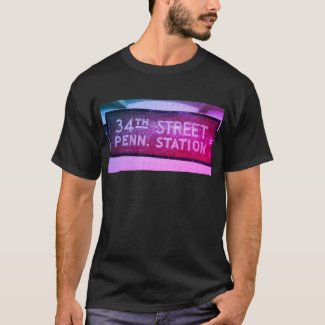
Vintage tiled subway sign for 34th Street station on the wall of the platform in Midtown Manhattan, New York City.
Stepping off the train and right into the middle of the magic.

One of my absolute favorite spots in New York City is the bustling area surrounding 34th Street and Penn Station. There is an unmistakable energy to this hub—from world-class shopping at the flagship Macy's to the constant rhythmic surge of commuters catching trains across the country.

I love the sheer diversity of the crowds and the rich history embedded in every block. This is where the iconic Miracle on 34th Street unfolded, and where legendary landmarks like the Empire State Building and Madison Square Garden stand shoulder-to-shoulder. It is a place where anything feels possible, and where the magic of the city truly comes alive.

Why 34th Street is the Beating Heart of Midtown

Few places in Manhattan capture the raw, electrifying pulse of New York City quite like the stretch along 34th Street. Anchored by the constant motion of Penn Station and the sprawling retail kingdom of Herald Square, this neighborhood acts as a crossroads for millions of travelers, locals, and dreamers every year. Whether you are stepping off a train for the first time or returning to soak in the atmosphere, this district offers an unmatched concentration of history, pop culture, and architectural marvels.

What to See & Do

  • Step Inside Macy’s Herald Square: Covering an entire city block, this legendary flagship is a world unto itself. Ride the historic, 100-year-old wooden escalators up to the top floors, or visit during the holidays to see the famous seasonal window displays.

  • Look Up at the Empire State Building: Located just two blocks east on 34th Street and 5th Avenue, this Art Deco icon defines the NYC skyline. Head up to the main observation deck for sweeping 360-degree views of Manhattan.

  • Catch a Show at Madison Square Garden: Positioned directly above Penn Station, "The World's Most Famous Arena" hosts everything from high-stakes NBA games to global concert tours.

  • Explore Moynihan Train Hall: Cross 8th Avenue to experience the stunning, sunlit skylights and high-end food hall inside the modernized extension of the Penn Station complex.

Practical Tips for Your Visit

1. Time Your Arrival Wisely

If you want to experience Macy's and the surrounding shops without overwhelming crowds, visit on a weekday morning right around opening time. The sidewalks along 34th Street become significantly busier by mid-afternoon and late evening as commuter traffic picks up.

2. Grab a Bite at Moynihan or Koreatown

For a quick, high-quality bite before catching a show or train, skip standard fast food and head inside Moynihan Train Hall's food hall for local NYC favorites. Alternatively, walk one block east to 32nd Street (Koreatown) for incredible late-night Korean BBQ, fried chicken, and bakeries.

3. Book Landmarks in Advance

If you plan to head up the Empire State Building or catch a game at Madison Square Garden, always buy your tickets online ahead of time to skip the main box office lines.
Sunday, January 7, 2024

Hudson Yards: Is This NYC’s Most Glamorous New Neighborhood?

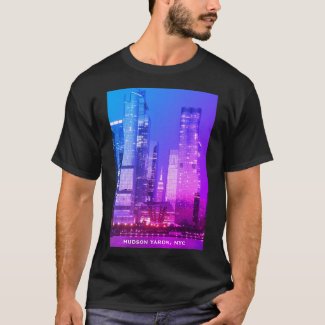
Hudson Yards skyscrapers and The Vessel illuminated by golden sunset light, viewed from a boat on the Hudson River.
The Vessel and Hudson Yards in full golden light. 🚤

Hudson Yards: Manhattan’s Newest Landmark

The history of Hudson Yards dates back to the 19th century, when the area was a bustling industrial district lined with railroads and docks. To pave the way for future above-ground development, the Metropolitan Transportation Authority (MTA) constructed a rail yard on the site in 1987.

Over the years, several major proposals were floated for the land—including a new stadium for the New York Yankees, an expanded convention center, and even a marquee stadium for New York City’s 2012 Summer Olympics bid. However, due to public opposition, funding challenges, and political debate, none of these early vision plans materialized.

The tide turned in 2005 when the city rezoned the area and launched a comprehensive development plan. This strategy centered on extending the 7 Subway line, renovating the nearby Javits Center, and inviting private real estate developers to bid on the site. In 2008, Related Companies and Oxford Properties won the development rights, officially breaking ground in 2012.

Today, Hudson Yards is a massive, multi-billion-dollar redevelopment project spanning 28 acres over the active MTA rail yard on Manhattan's West Side. Designed to expand Midtown’s business district west toward the Hudson River, the project serves as a major commercial and tourist destination.

The project is split into two main phases. The eastern portion officially opened in March 2019, featuring 16 skyscrapers, a luxury multi-level shopping mall, a public plaza, and the centerpiece spiral staircase structure known as The Vessel. Major commercial tenants include Tapestry, Equinox Fitness, and BlackRock. The western portion represents the second phase of development, planned to bring additional residential towers, office spaces, a public school, and dedicated community culture spaces.

Wednesday, January 3, 2024

Next Stop, History: NYC’s Iconic Subway Tile Mosaics

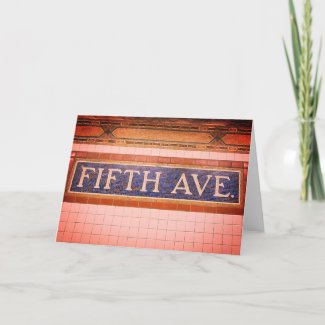
A historic NYC subway mosaic tile sign displaying "FIFTH AVE." in white letters on a blue background, surrounded by an ornate decorative border.
Underground art gallery. 🚇✨ NYC’s subway mosaics have been keeping commuters on track since the early 1900s.

One of the most distinctive features of the New York City subway system is the mosaic tile signage adorning its historic stations. Dating back to the early 20th century, these vibrant tiles display station names and transit directions through intricate, artistic patterns.

Arguably the system’s most famous example resides at Manhattan's Fifth Avenue station—a hub served by the N and R trains, as well as the weekday W line. The station's focal mosaic features a stylized depiction of Fifth Avenue itself, setting the iconic street name in crisp white letters against a rich blue background, framed by a multi-colored tile border that pops against the station's white walls.

More than just transit directions, these colorful tiles serve as a testament to New York City’s rich history and remain an iconic form of everyday public art.